 |
Wikipedia
|
|---|
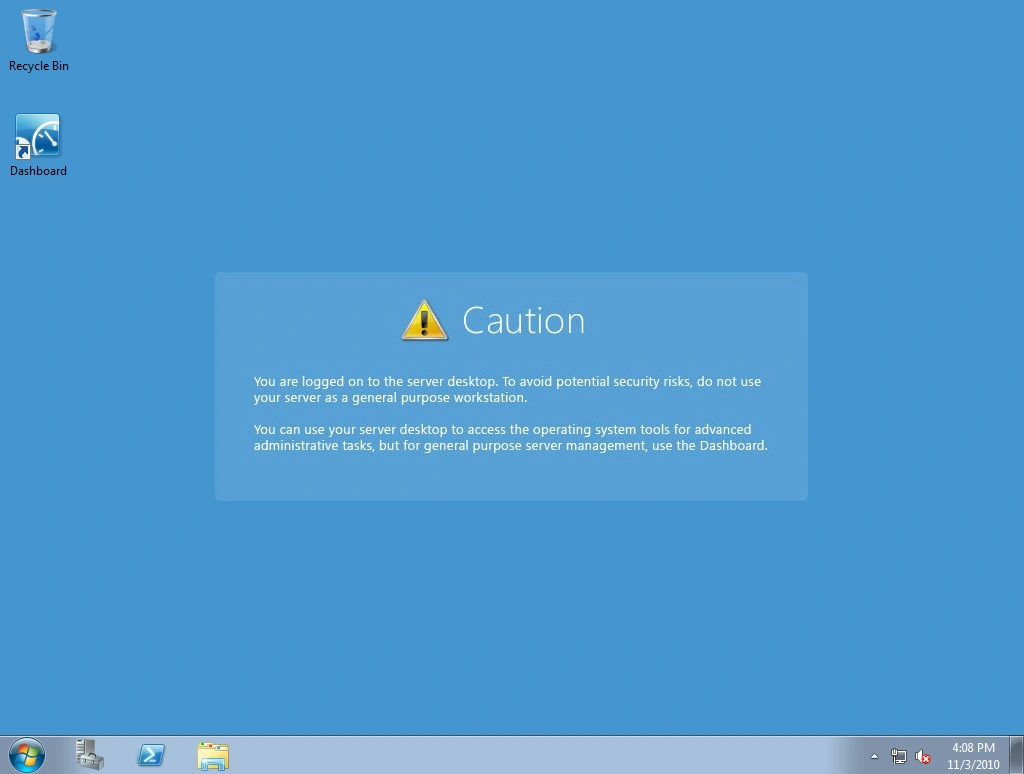

Microsoft Windows Home Server 2011 desktop.
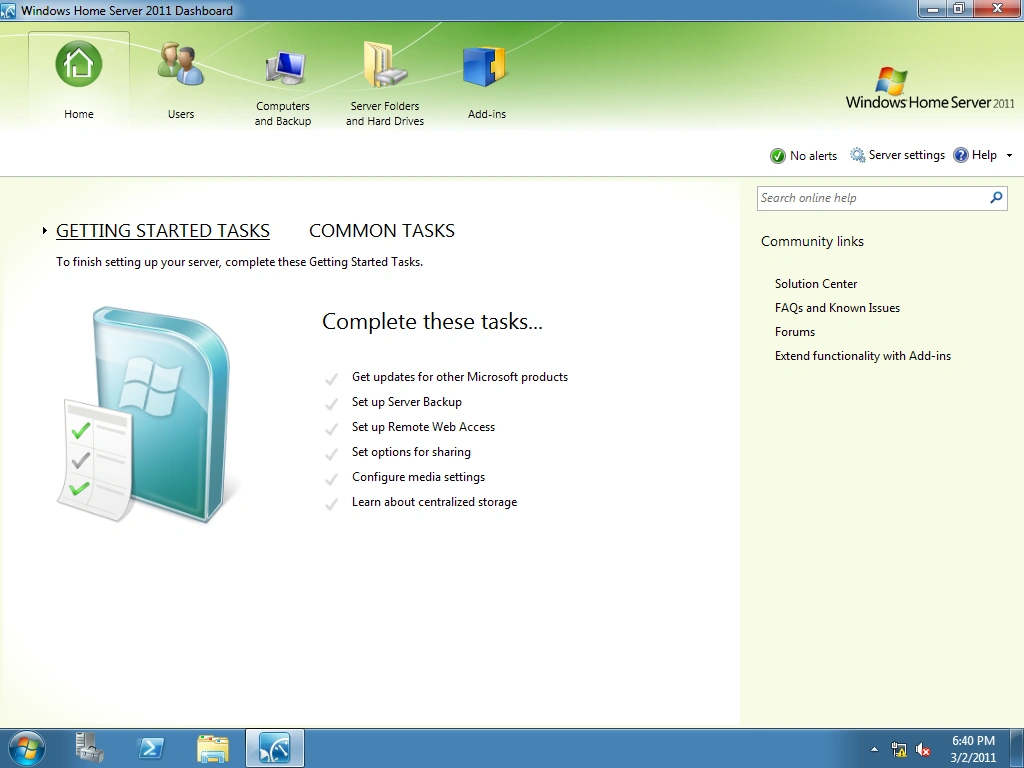

Screenshot of the Windows Home Server Dashboard.
Windows Home Server 2011 (codenamed Vail) is a home server operating system by Microsoft designed for small office/home offices and homes with multiple connected PCs to offer protected file storage, file sharing, automated PC backup, remote access, and remote control of PC desktops. It was released on April 6, 2011, following the release of Power Pack 3 for its predecessor, Windows Home Server. It is the last Windows Home Server release, as it was succeeded by Windows Server 2012 Essentials.
Windows Home Server 2011 is based on Windows Server 2008 R2 and requires x86-64 CPUs (64-bit), while its predecessor worked on the older IA-32 (32-bit) architecture as well. Coupled with fundamental changes in the structure of the client backups and the shared folders, there is no clear method for migrating from the previous version to Home Server 2011.
Features
Windows Home Server 2011 includes additional entertainment capabilities and an add-in feature with an app store, including web-based media functionality.
Initial speculation by technology columnist Mary Jo Foley fueled the idea that "Vail" would integrate Windows Media Center. This prompted the response "Time will tell" by Windows Home Server Product Planner Todd Headrick, but by the time of the public beta, Microsoft had decided not to integrate Windows Media Center with "Vail".
System requirements
| Component | Required specifications |
|---|---|
| CPU | 1.3 GHz x86-64 Dual Core or 1.4 GHz x86-64 Single Core |
| RAM | 2 GB (8 GB Maximum) |
| Hard disk space | At least one 160 GB drive |
Drive Extender removal
On 23 November 2010, Microsoft announced that Drive Extender would be removed from Windows Home Server 2011. This announcement has led to "astonishment and outrage" from testers and users. Criticism of Drive Extender's removal is mainly related to it being seen as a core feature of Windows Home Server and a key reason for adoption. Windows Home Server 2011 developer Michael Leworthy expressed concern that the implementation of Drive Extender might lead to "data error issues.”
References
External links
- Official website
- Windows Home Server 2011 at Wikipedia